Nos missions
Managerial and operational transformation of a major insurance player
Assurance

In response to the rapid evolution of climate risks and customer expectations, we supported an insurance provider in a strategic transformation aimed at improving its performance, accelerating its digitalization, mobilizing its teams, and strengthening its positive impact on society and the environment.
CONTEXT
- Intensification of natural disasters and geopolitical tensions leading to increasing pressure on the profitability and resilience of the insurance model.
- Need to accelerate the digitalization of customer relations to optimize costs, streamline interactions, and reduce reliance on paper.
- Necessity to mobilize approximately 300 employees in a new transformation cycle that is managed, structured, and aligned with the group's ambitions.
MISSION OBJECTIVES
- Strengthen the role of managers to champion the transformation's purpose and support their teams through the changes.
- Define and implement clear governance to effectively steer the strategic roadmap.
- Create a sustainable collective dynamic focused on overall performance, skill development, and reducing environmental impact.
RESULTS (structured across 4 dimensions)
1. Economic Performance
- Implementation of a managed roadmap enabling accelerated digitalization and optimized operational costs.
- Establishment of rigorous project management to ensure the achievement of 3-year objectives.
2. Employee Engagement
- Over 300 employees onboarded, informed, and engaged in the transformation journey.
- Strengthened management community, with increased accountability to support change and evolve practices.
3. Societal Impact
- Improved customer relationships through smoother, digitized journeys.
- Enhanced organizational capacity to address insurance challenges related to new climate risks.
4. Environmental Impact
- Contribution to the group's low-carbon objective through reduced paper usage and the progressive digitalization of interactions.
- Promotion of an internal culture more sensitive to environmental issues and sustainable consumption.
APPROACH / METHODS USED
- Co-construction of the approach during workshops with the steering committee to define the vision, priorities, and governance.
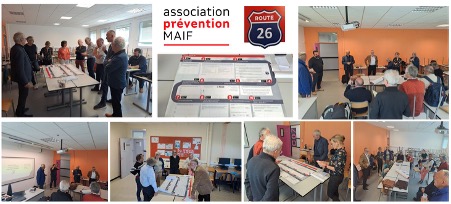
- Organization of manager seminars to instill purpose, mobilize, empower, and equip teams.
- Establishment and facilitation of steering committees to ensure rigorous monitoring, sustainable alignment, and rapid action.